
Connection context
Identify the respiratory device, accessory and intended connection.
Respiratory equipment can contain different connection systems. First identify whether the DUT uses an ISO 80369-2 small-bore respiratory connector or an ISO 5356-1 cone or socket used with anaesthetic and respiratory equipment. These are separate interface families and require different reference products, gauges and verification paths.
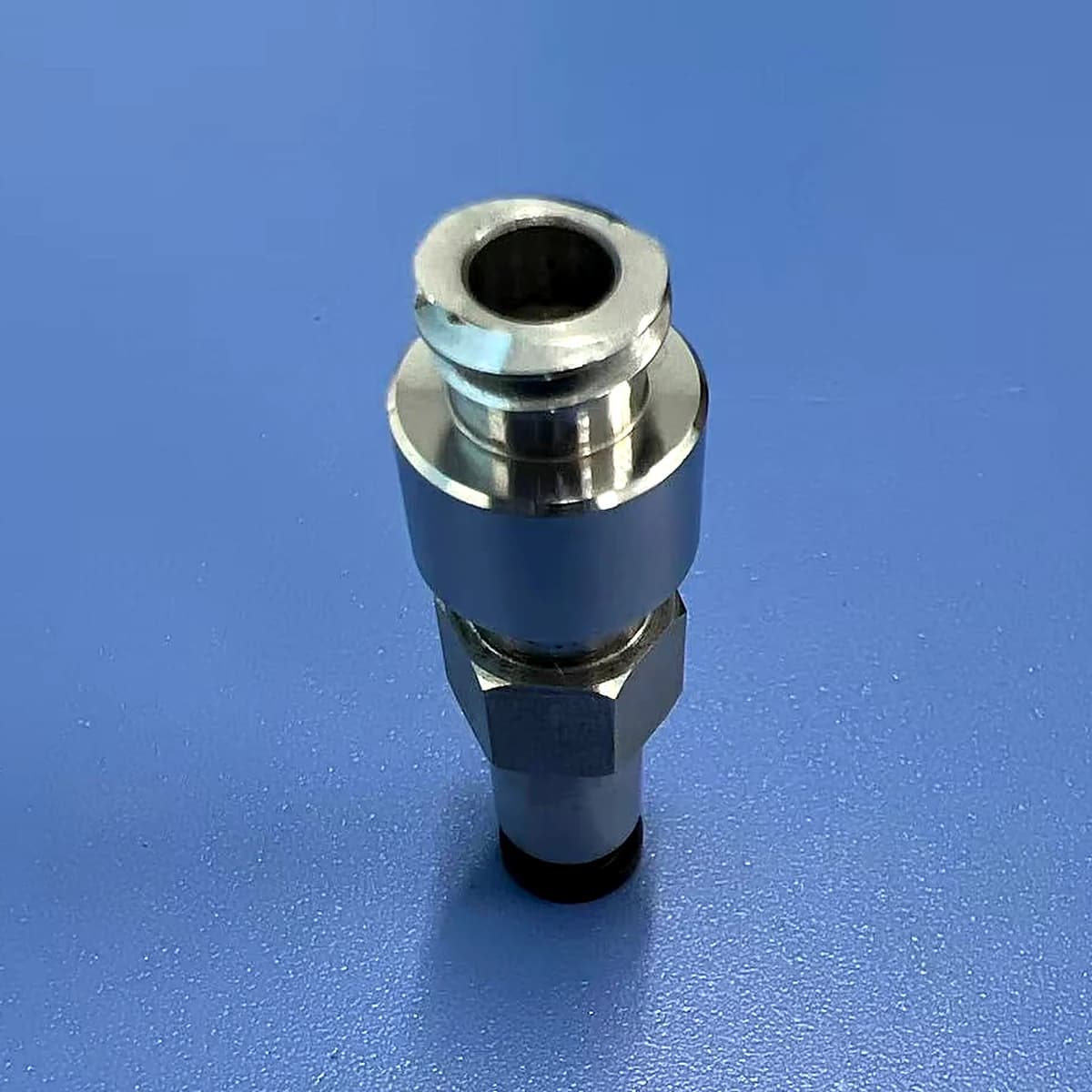
Identify the physical connector first, then choose between the ISO 80369-2 small-bore path and the separate ISO 5356-1 cone or socket path.
Respiratory equipment may contain R1 or R2 small-bore connectors as well as breathing-system cones or sockets. The device category alone cannot select the standard.
ISO 80369-2:2024 specifies two small-bore respiratory connectors: R1 for lower-pressure applications and R2 for higher-pressure applications. The project still needs to identify which connector is present and which side is the DUT.
ISO 5356-1:2015 addresses dimensional and gauging requirements for specified cones and sockets used with anaesthetic and respiratory equipment. It is not another name for the ISO 80369-2 small-bore system.
The review must resolve the interface family, R1 or R2 designation where relevant, DUT side and project edition before a reference product is recommended.
Once the connector family is identified, the matching gauge or reference interface, fixture and measured behavior can be selected without mixing standards.
Identify the respiratory device, accessory and intended connection.
Separate ISO 80369-2 small-bore connectors from ISO 5356-1 cones and sockets.
Select the matching connector, plug, ring gauge or other controlled interface.
Define the measured behavior and how the sample will be supported.
Confirm the measurement channel and requested result documentation.
Treat ISO 80369-2 and ISO 5356-1 as separate selection paths even when both kinds of connection appear within respiratory equipment.
Identify R1 or R2 and the DUT side before selecting a reference connector.
Identify the cone or socket size and the dimensional or gauging task.
The device and connector design determine the relevant fixture and equipment discussion.
Both may appear in respiratory equipment, but they define different connector systems. The DUT connector must be identified before any product recommendation.
A clear connector drawing or sample photograph is particularly important when project terminology does not distinguish a small-bore interface from a cone or socket.
KingPo can review which respiratory connection system applies and then align the reference product, gauge, fixture and measurement equipment.