
Enteral DUT
Identify the syringe, set, tube, accessory or patient-interface component.
Enteral connector verification begins with the feeding or delivery device and its mating interface. Identify the DUT side, intended connection and applicable ISO 80369-3 configuration before selecting a reference component, fixture or functional test setup. Enteral interfaces should not be treated as interchangeable with intravascular Luer components.
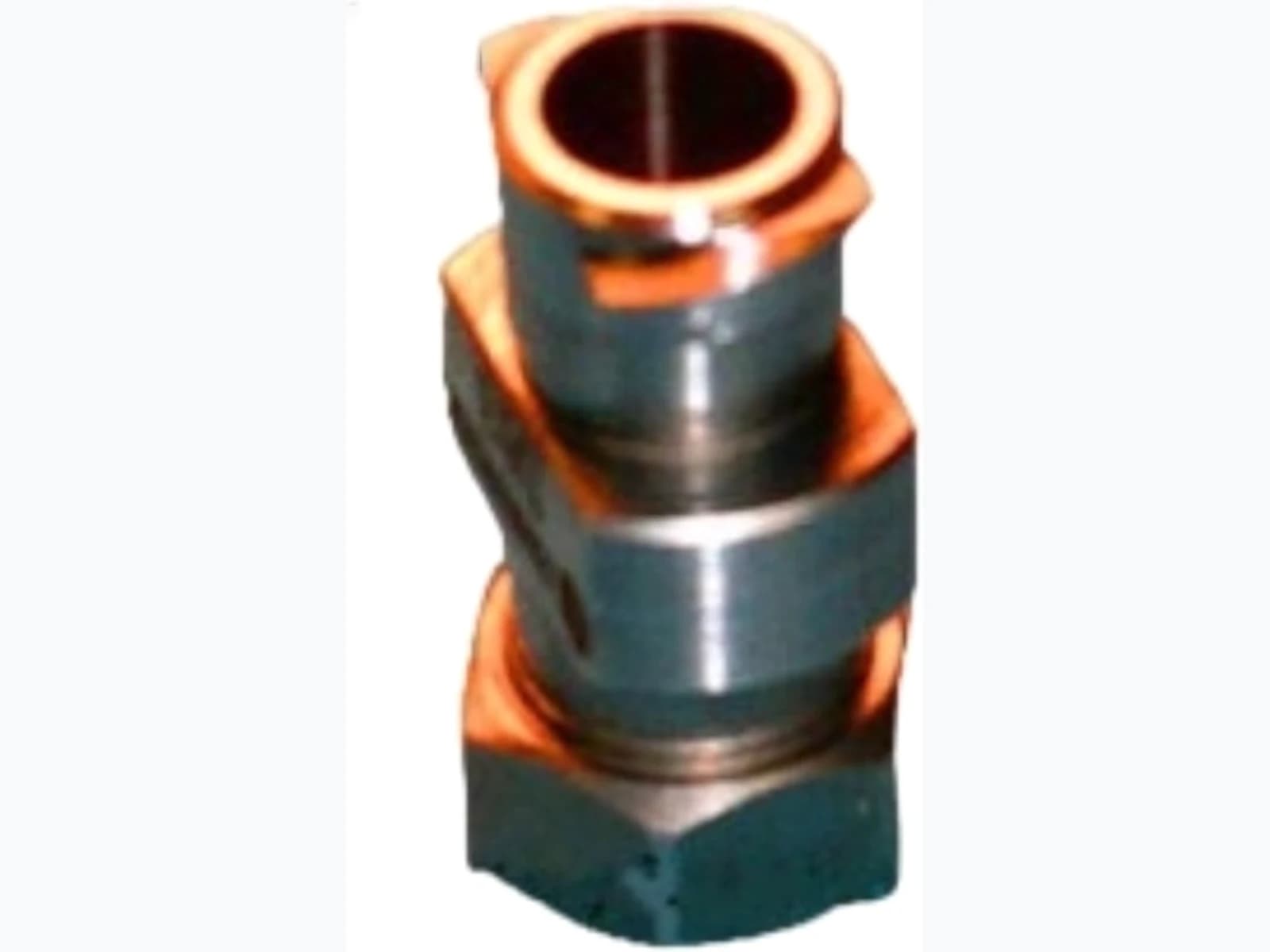
Keep the enteral interface distinct from Luer and select a mating component designed for the identified feeding or delivery connection.
An enteral syringe, feeding tube or set does not by itself identify the required fixture. The connector-bearing component and intended counterpart must be clear.
ISO 80369-3 specifies small-bore connector dimensions and functional performance for enteral medical devices and accessories. The device category alone is not enough to choose a fixture: the laboratory must identify the actual connector and tested side.
A Luer reference connector is not a substitute for an enteral mating interface. Reference components and holding fixtures must match the enteral geometry and the behavior being evaluated.
Enteral setup review should establish the sample form, tested side, controlled counterpart and whether the requested verification is mechanical, leakage-related or dimensional.
The enteral DUT and mating relationship define the reference interface before the laboratory chooses a method, sample support and result format.
Identify the syringe, set, tube, accessory or patient-interface component.
Confirm side, geometry and intended enteral mating relationship.
Use the controlled enteral counterpart required by the selected method.
Define the applicable mechanical, leakage or dimensional behavior.
Configure the fixture, equipment channel and requested document output.
Protect the application boundary first, then resolve the functional behavior and fixture needed for a tube, set, syringe or accessory.
Confirm the enteral counterpart before selecting fixtures or equipment.
Use the project requirement to determine the measured behavior.
Support tubes, sets and accessories without loading the connection incorrectly.
The application family and controlled mating interface must remain explicit throughout product selection, testing and documentation.
Provide enough sample information to prevent an enteral connector from being treated as a visually similar but incompatible small-bore interface.
KingPo can assess the enteral sample, mating interface, support fixture, measurement task and documentation request together.