Clauses 2, 3 and 4 establish which documents are normative, what the defined terms mean, and the conditions a limb cuff connector has to satisfy before its dimensions are considered. Most of the practical information sits in the reference list and in the notes attached to Clause 4.1.
Clause 2. Normative references
Eight documents are listed. GB/T 42062-2022 covers the application of risk management to medical devices. GB/T XXXX.1 is the general requirements part of the small-bore connector series. GB/T 45665.1-2025 and GB/T 45665.2-2025 specify anaesthetic and respiratory conical connectors, cones and sockets, and screw-threaded weight-bearing connectors. ISO 8185:2007 covers respiratory tract humidifiers, and EN 13544-2:2002+A1:2009 covers tubing and connectors for respiratory therapy equipment. ASTM D638-14 and ASTM D790-25 are the tensile and flexural test methods for plastics.
The presence of the two respiratory connector standards in a limb cuff document is not a drafting accident. Clause 4.1 uses them to name the conical connectors that a limb cuff connector should not mate with but might. The humidifier and respiratory therapy standards are cited for the temperature sensor connectors and conical connectors that appear in the same list.
The draft is internally inconsistent on the two ASTM methods. The foreword says ASTM D638-14 is replaced by GB/T 1040.1-2025 and ASTM D790-25 by ASTM D790-10, while Clause 2 still lists ASTM D638-14 and ASTM D790-25, and Clause 4.2 calls up GB/T 1040.1-2025 or ASTM D790-25. A compliance file should record which edition and which method were actually used, rather than copying the reference list without checking it.
Clause 3. Terms and definitions
Six terms are defined. Everything else is inherited from Part 1 or from the medical electrical equipment and usability standards named in the source notes.
| Subclause | Term | Definition in brief | Source |
|---|---|---|---|
| 3.1 | normal use | Operation and standby according to the instructions for use, including routine inspection and adjustment by the operator; also covers maintenance, service and transport, which distinguishes it from intended use. | GB/T 9706.1-2020, 3.71, modified |
| 3.2 | rated (value) | A value assigned by the manufacturer for a specified operating condition. | GB 9706.1-2020, 3.97 |
| 3.3 | test method | A defined procedure for evaluating a connector to obtain a test result. | GB/T XXXX.1, 3.19 |
| 3.4 | type test | A test on a representative sample of connectors to determine whether the design and manufacture meet the requirements of the document. | GB 9706.1-2020, 3.135, modified |
| 3.5 | user | A person who operates or handles a medical device; a device may have more than one user. | IEC 62366-1:2015, 3.24 |
| 3.6 | user profile | The psychological, physiological and statistical characteristics of the intended user group, together with characteristics such as skills, job requirements and working conditions that bear directly on design decisions. | IEC 62366-1:2015, 3.29 |
The distinction in 3.1 is the one with practical weight. Intended use is centred on the medical purpose, whereas normal use includes the handling that a connector receives during cleaning, transport and routine checks. Annex E builds the user profile and the use scenarios on that wider reading.
Clause 4.1. Non-interconnectability
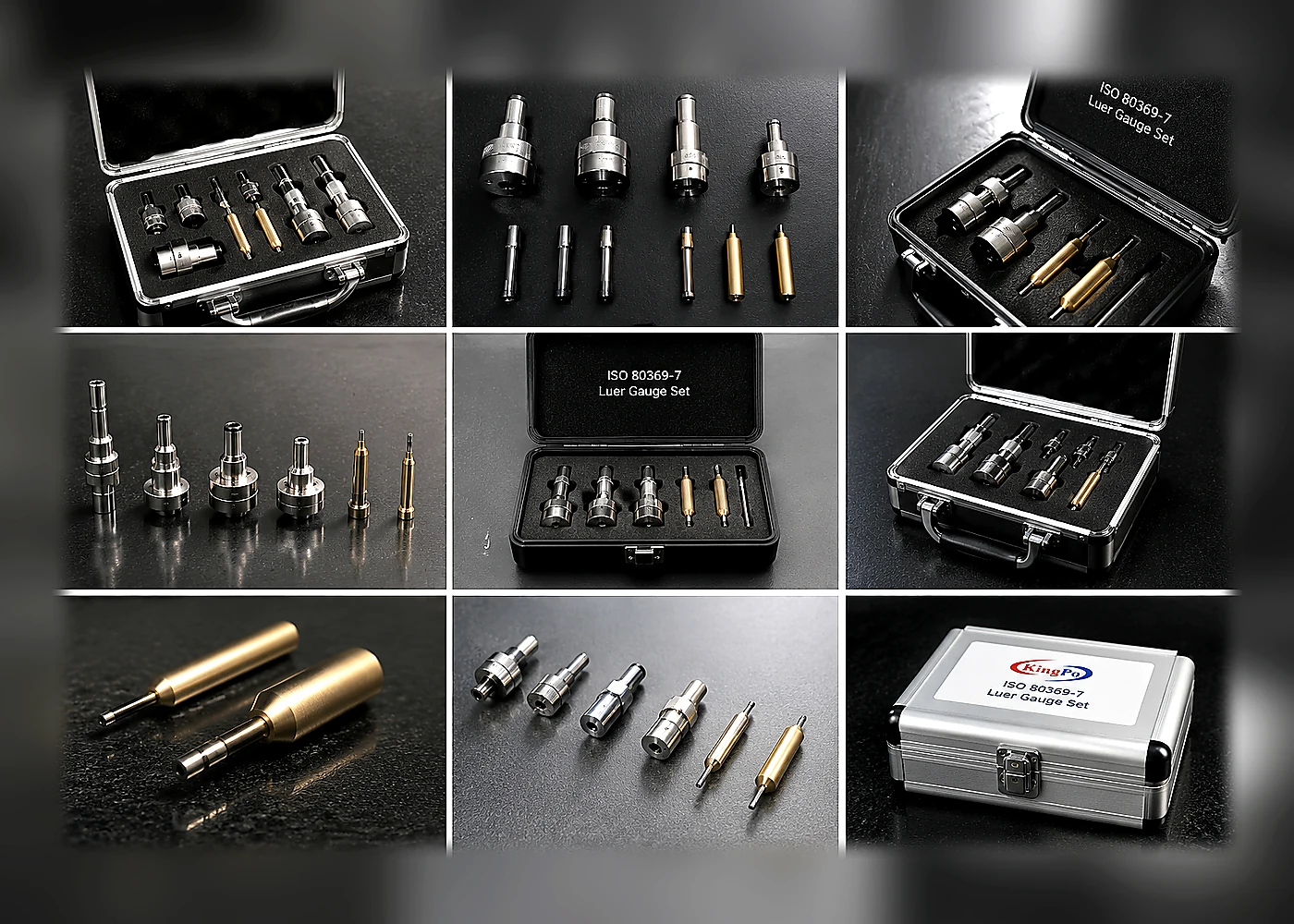
A connector made to this part shall comply with GB/T XXXX.1 unless this part states otherwise. The draft then names three groups of connectors with which a limb cuff connector should not connect but might, because those designs are not fully specified: the cones and sockets of GB/T 45665.1-2025 and GB/T 45665.2-2025; temperature sensor connectors and mating ports made to Annex D of ISO 8185:2007; and the cones of EN 13544-2:2002 and its amendment AMD1:2009. Annex C describes the standard connectors used to evaluate non-interconnectability.
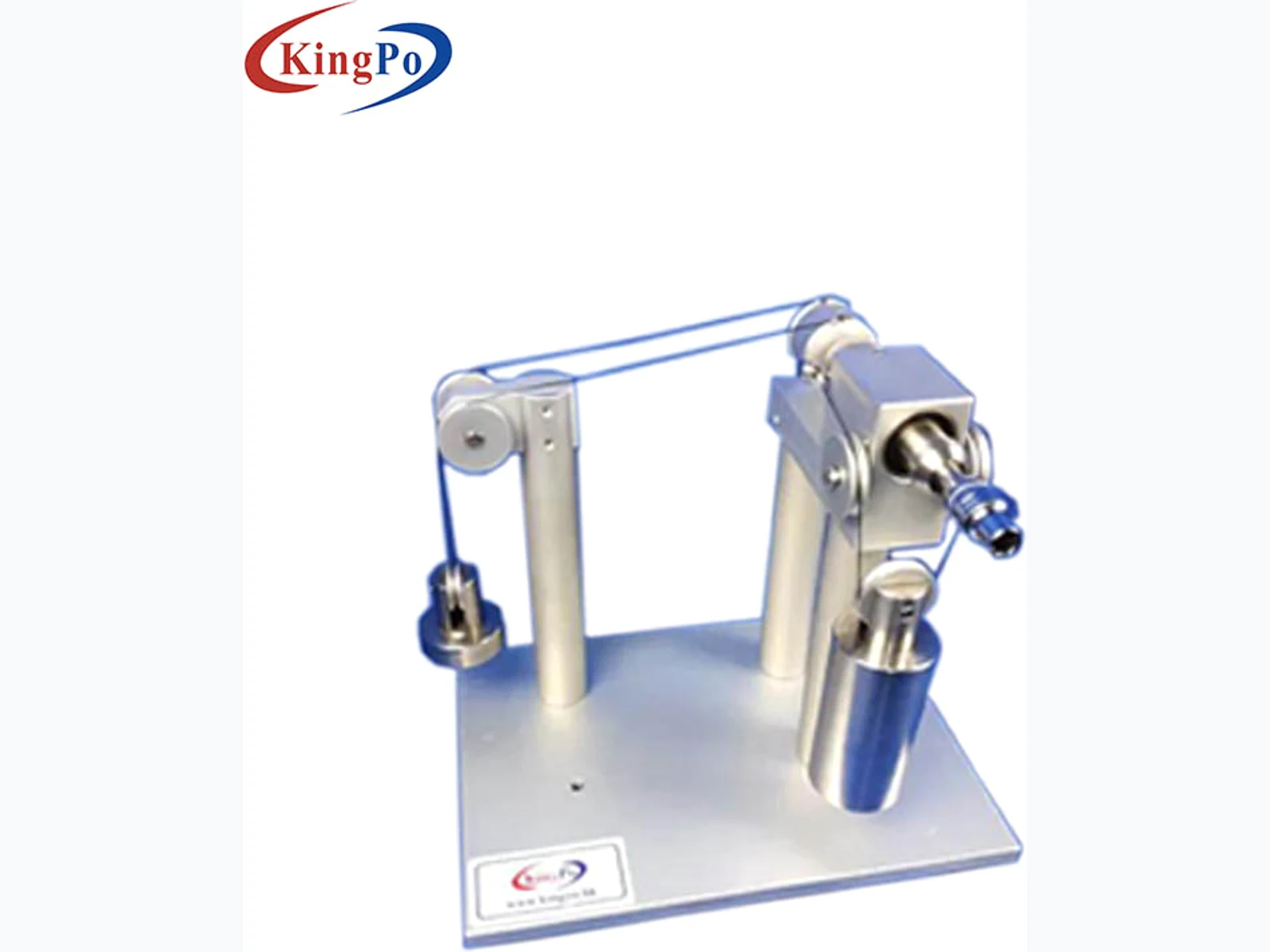
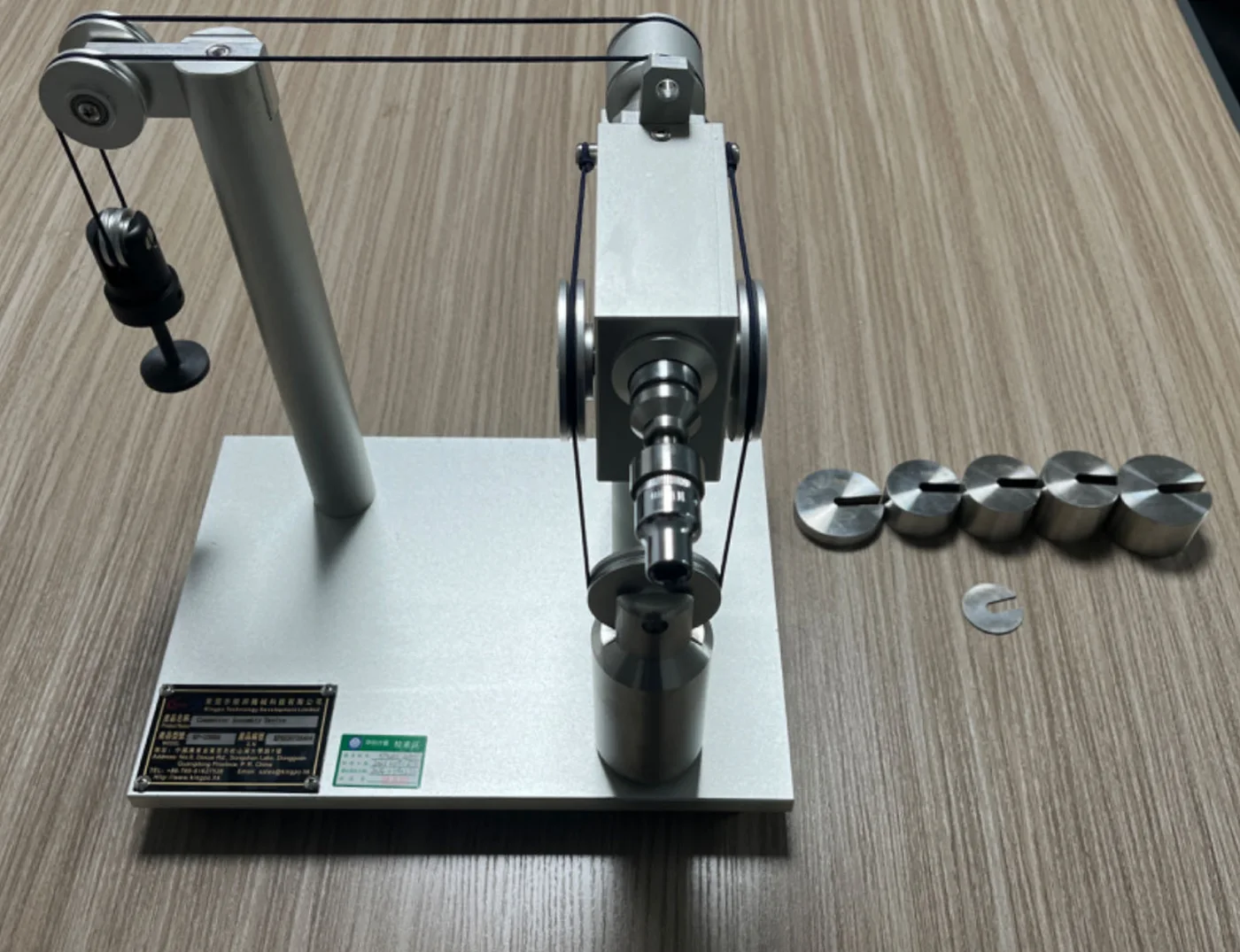
Where the connector design depends on the size or configuration of the medical device, non-interconnectability has to be verified. Conformity is checked by the tests in GB/T XXXX.1-202X subclause 5.1 and Annex B. A computer aided design dimensional analysis of every small-bore connector in the series against the connector under test may be used instead to show compliance with Annex B of Part 1. If the CAD analysis cannot establish non-interconnectability, the physical small-bore tests of Annex B are required. Where necessary the connector may be mounted on the medical device or accessory to demonstrate compliance. Where the design is independent of device size and configuration, compliance with the non-interconnectability tests is assumed.
The notes point to four informative annexes: Annex D for the medical devices carrying these connections and their attributes, Annex E for usability requirements, Annex F for the criteria behind the requirements, and Annex G for the design assessment performed under Part 1 Clause 7.
Clause 4.2. Material stiffness
In addition to the requirements of GB/T XXXX.1-202X Clause 4, a small-bore connector for this application shall be made of material with a nominal flexural or tensile modulus greater than 700 MPa. Conformity is checked by GB/T 1040.1-2025 or ASTM D790-25.
The threshold is a condition for the interference analysis, not a strength rating. The Part 1 method asks whether any combination of maximum and least material conditions between two designs could allow a physical connection. That calculation assumes the parts keep their shape under assembly force, axial pull and incidental bending. A material soft enough to deform would remove the geometric argument on which the series rests. The same reasoning explains the note to Figure B.2 that the sealing surface of the female connector at ØH need not comply with 4.2, for example where it is elastic: a compliant seal that plays no part in preventing a misconnection does not enter the calculation.
Clause 4.3. Type test
Conformity with the requirements of this part is determined by type testing. Read with the definition in 3.4, the sample has to be representative of the design and of the manufacturing process, and the tests of Clause 6 are performed on those samples. Clause 5 is a dimensional check against Annex B rather than a type test in the mechanical sense, so a compliance file normally holds both a dimensional inspection record and a type test report.
IEC 80369-5:2016, clause-by-clause series. Part 2 of 7.